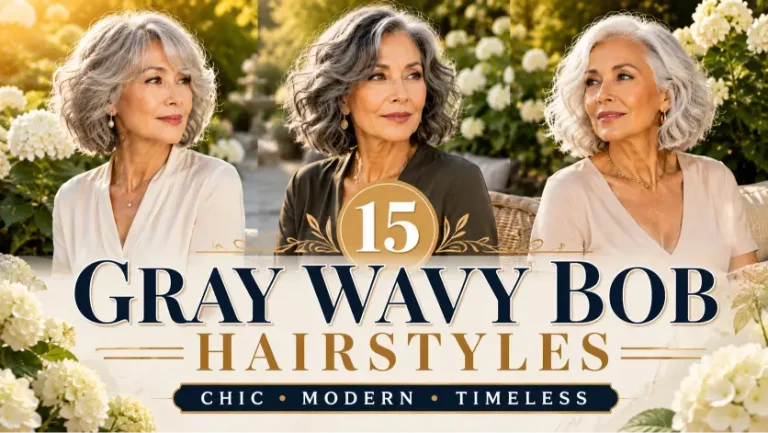

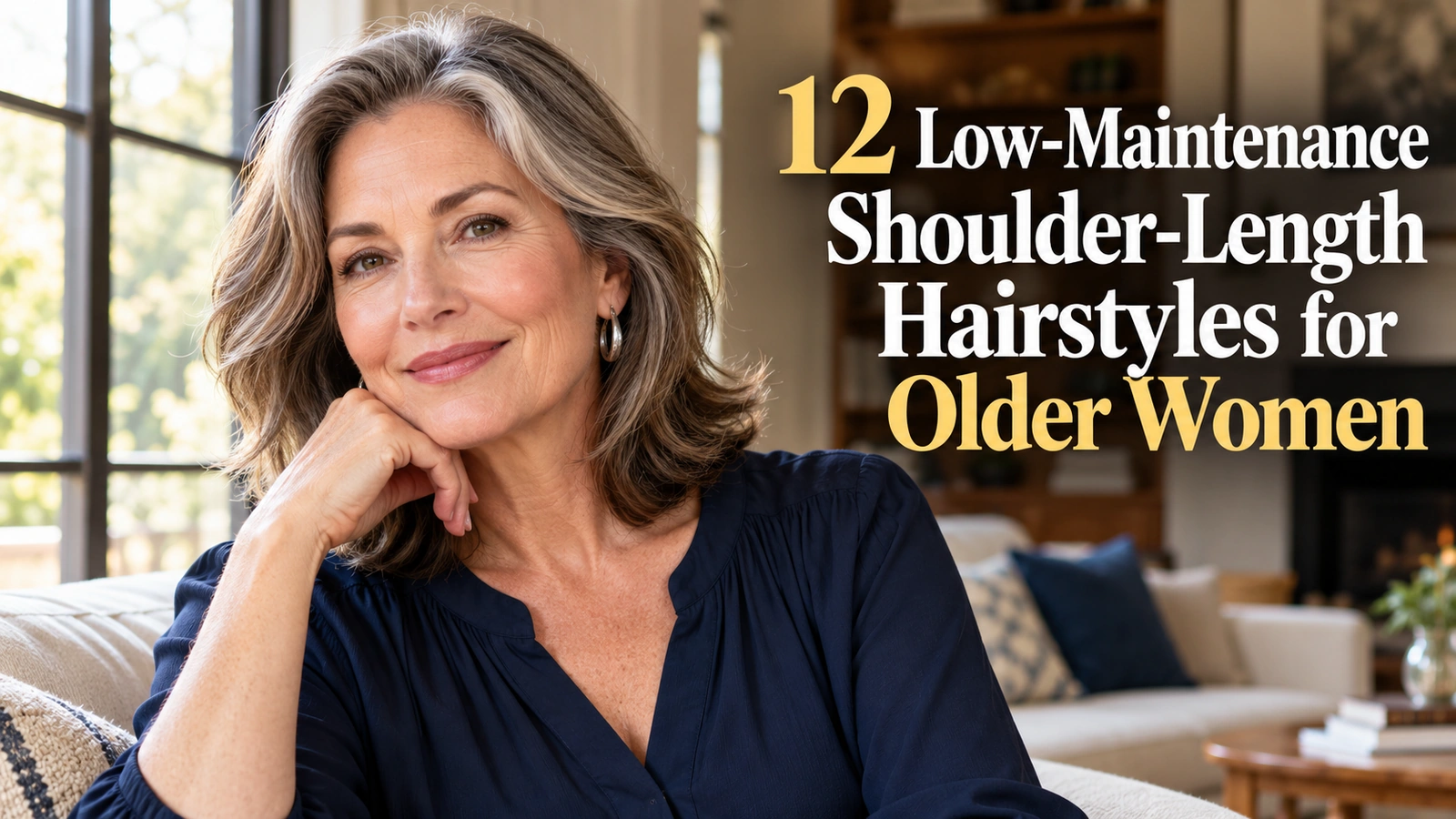
Shoulder-length hair offers a practical balance: it is long enough to tuck back, curl, wave or tie into a low ponytail, yet short enough to feel manageable for everyday styling. For mature hair, that flexibility can be especially useful as texture, density and natural gray patterns change over time.
The best shoulder-length hairstyles for older women are not about following strict age rules. They are about choosing a shape that works with your actual hair. A strong perimeter can make fine hair appear fuller, hidden layers can remove bulk from thick hair, and thoughtful face-framing pieces can complement glasses or natural silver strands.
These shoulder-length hairstyles for older women focus on realistic maintenance as much as appearance. Whether your hair is fine, thick, straight, wavy, curly or transitioning to gray, the 12 ideas below will help you find a flattering cut that still looks intentional on ordinary days—not only after a salon blowout.
Dense-Perimeter Clavicut for Fine Hair
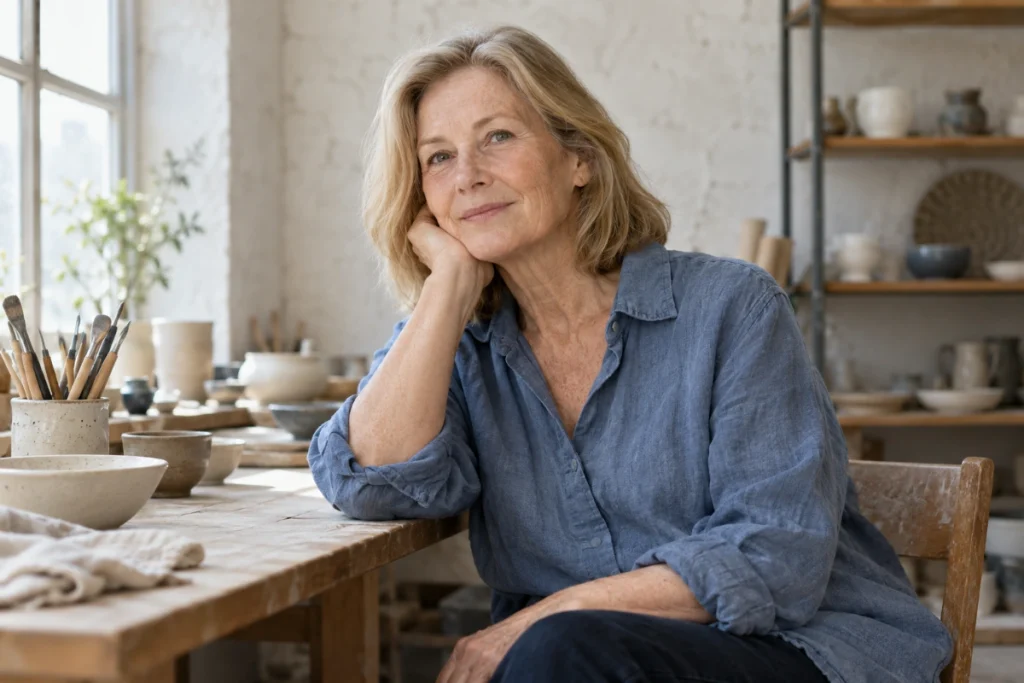
Fine hair often benefits from keeping as much visual weight as possible around the ends. A clavicut that falls near the collarbone with a mostly solid perimeter can create the impression of thicker, healthier hair without requiring dramatic volume at the crown.
Instead of adding many short layers, ask for subtle internal movement that prevents the shape from feeling rigid. A slight bend through the ends can make the cut look polished while preserving density.
This style works particularly well on straight or softly wavy fine hair. Avoid excessive thinning or aggressive texturizing near the perimeter, because removing too much weight can make the ends look sparse. For everyday styling, a lightweight root product and quick round-brush pass through the front may be enough.
Hidden-Layer Collarbone Cut for Thick Hair
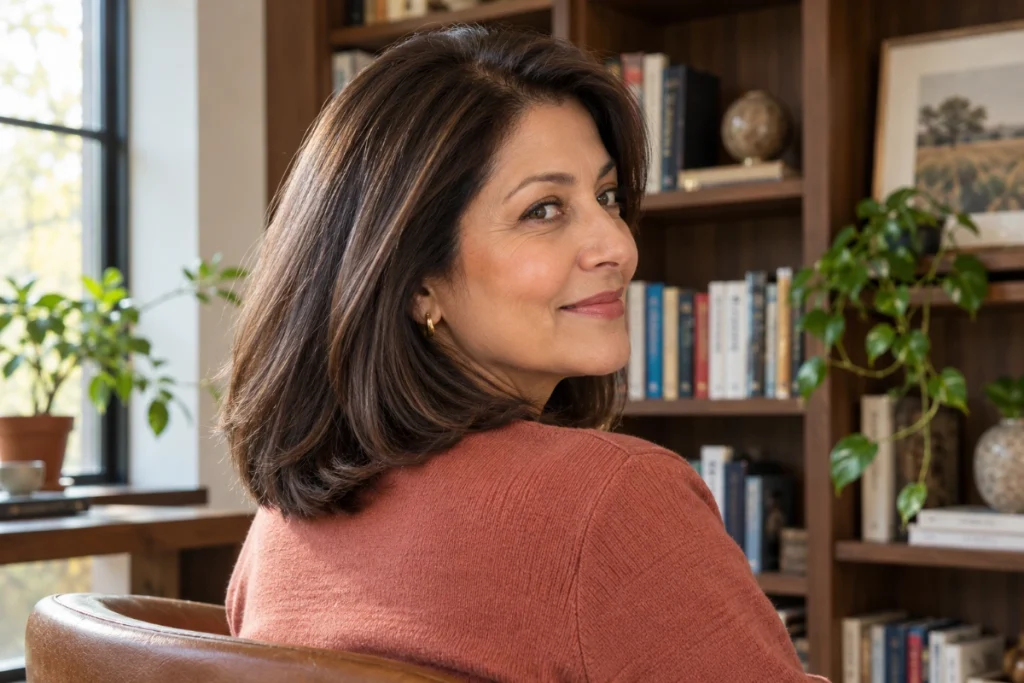
Thick shoulder-length hair can become bulky when every strand ends at almost the same point. Hidden internal layers solve that problem by removing some weight underneath while keeping the outside silhouette smooth and full.
The effect is different from a heavily layered haircut. From the outside, the hair still appears dense and polished, but it moves more easily and feels less heavy around the shoulders. This can be especially useful for straight or slightly wavy hair that tends to widen at the ends.
Ask your stylist to keep the visible perimeter substantial while reducing weight internally. Avoid short, obvious layers unless you specifically want extra volume. A simple blow-dry or air-dry with smoothing cream can usually show off the shape without demanding extensive styling.
Air-Dry Shoulder Cut for Naturally Wavy Hair
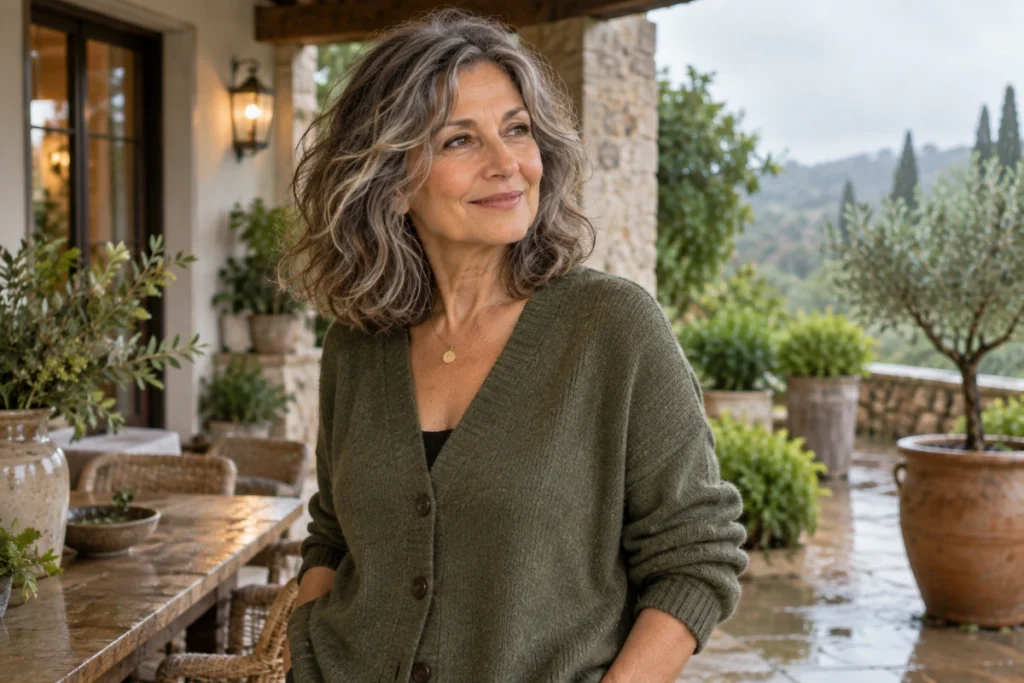
Naturally wavy hair rarely behaves exactly the same every day, which is why a cut that allows some irregular movement can be easier to live with than a highly controlled style. Long, subtle layers can encourage bends to form without making the ends look thin.
The goal is not to turn every section into a perfect curl. Instead, the haircut should give waves enough room to move while maintaining a balanced shoulder-length outline.
After washing, apply a light leave-in product or styling cream and allow the hair to dry with minimal handling. Scrunching repeatedly can sometimes create unnecessary frizz, so let the natural pattern settle before making small adjustments. This style is particularly useful for anyone who prefers realistic texture over a daily blowout.
Shape-First Shoulder Cut for Natural Curls
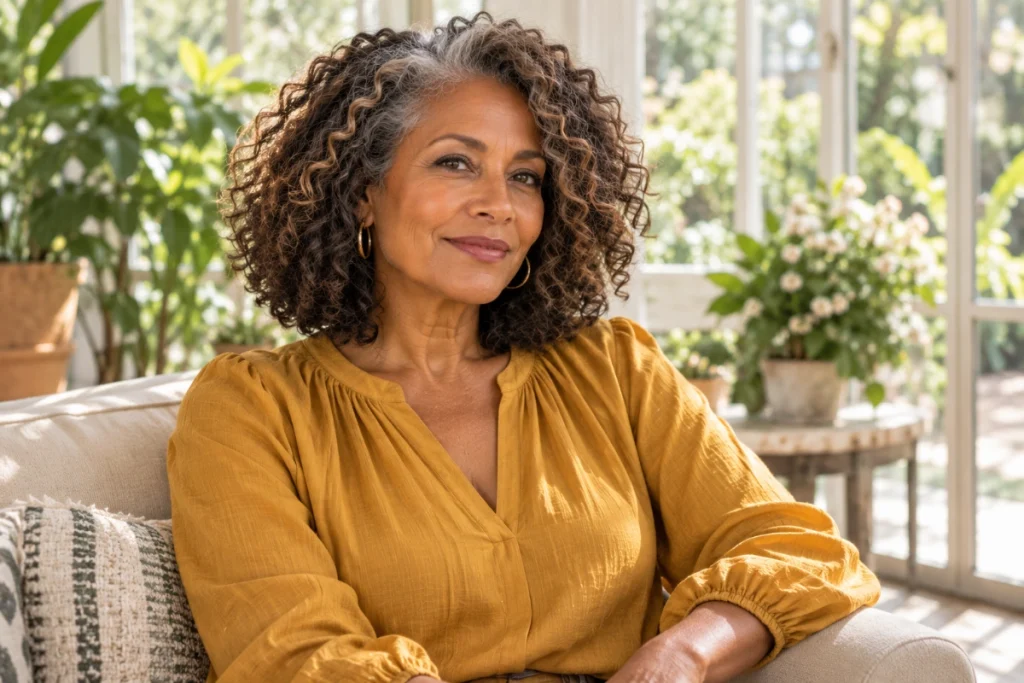
With curly hair, the overall silhouette matters as much as individual curl definition. A shoulder-length cut with carefully distributed shaping can prevent too much volume from collecting at the bottom while still preserving fullness.
Rather than forcing every curl into identical ringlets, this approach works with different curl sizes and directions. Slightly shorter sections around the crown can create lift, while enough length through the lower portion keeps the shape grounded.
A moisturizing curl product followed by gentle air-drying or diffusing can help maintain definition. Avoid heavy brushing once the hair is dry, since that can separate the curl pattern and create unwanted puffiness. Regular trims are useful because the overall shape becomes more noticeable as curly hair grows.
27 Long Hairstyles for Women Over 40
Ponytail-Friendly Collarbone Layers
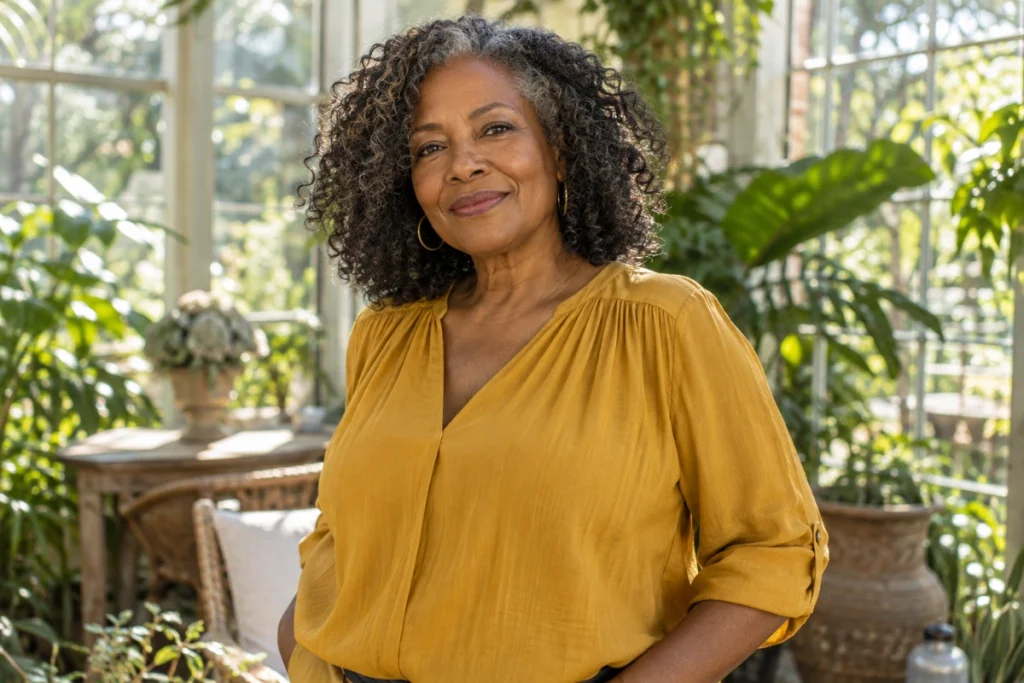
Some layered cuts look beautiful when worn down but become frustrating when you try to tie them back. Ponytail-friendly layers keep the shortest sections long enough to reach the elastic while still creating softness around the face.
A collarbone length gives enough room for a low ponytail, loose bun or clip without requiring very long hair. Jaw-to-collarbone front sections can create movement while remaining practical for active days.
When discussing the cut with your stylist, mention that tying your hair back is important. This helps prevent the front layers from being cut too short. A few natural loose pieces around the face can look intentional, but too many short layers may constantly fall out of the tie.
Off-the-Face Layers That Work Well With Glasses

Glasses already create a strong visual line around the eyes, so hair that constantly falls across the frames can feel crowded. Long face-framing layers swept gently away from the temples can open the face while allowing the glasses to remain part of the overall look.
Shoulder-length hair gives enough weight for those front pieces to curve naturally instead of sticking outward. A soft side part or relaxed center part can both work, depending on how the frames sit.
When styling, direct the front sections away from the face with a large round brush or a few minutes of low heat. Avoid cutting the shortest pieces exactly where the glasses arms sit, because this can cause them to flip awkwardly around the temples.
Gray-Grow-Out Clavicut With Soft Root Blending
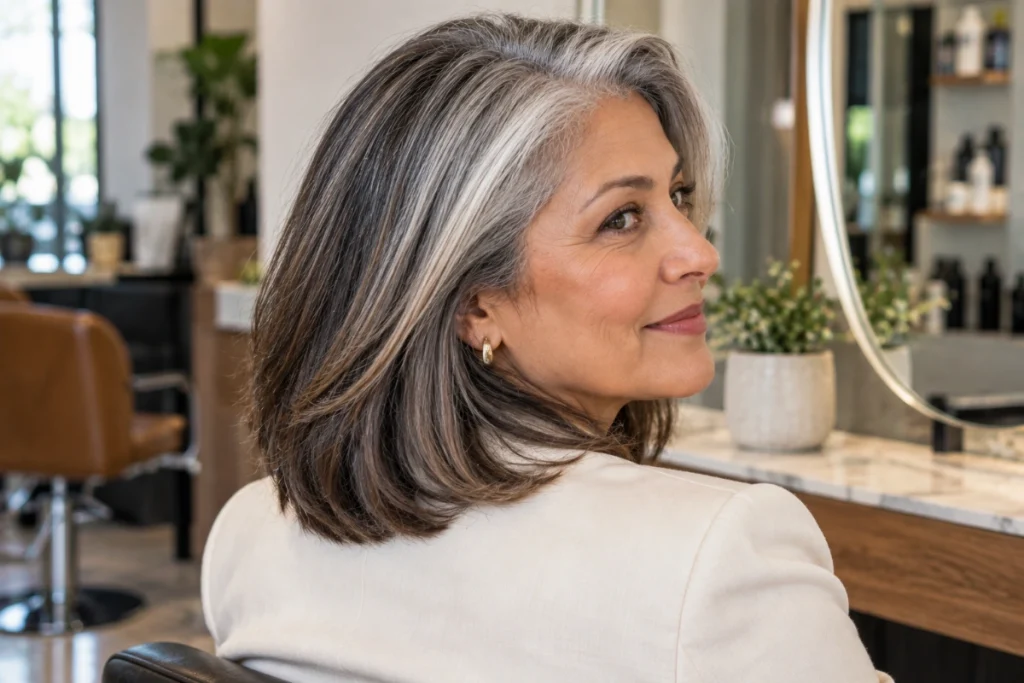
Growing out permanent color can create a noticeable line between natural silver roots and darker lengths. A shoulder-length clavicut keeps the overall shape polished while giving the transition enough length to blend gradually.
Instead of trying to hide every gray strand, softer highlights or lowlights can sometimes be used by a professional colorist to reduce contrast between the new growth and previously colored hair. The goal is usually a gradual transition rather than an instantly uniform shade.
Because gray hair can vary in texture, use conditioning products according to how your own hair feels rather than assuming it always needs heavy moisture. Keeping the haircut simple also helps the changing color become part of the style instead of looking like unfinished maintenance.
Low-Heat Beveled Cut for Straight Hair
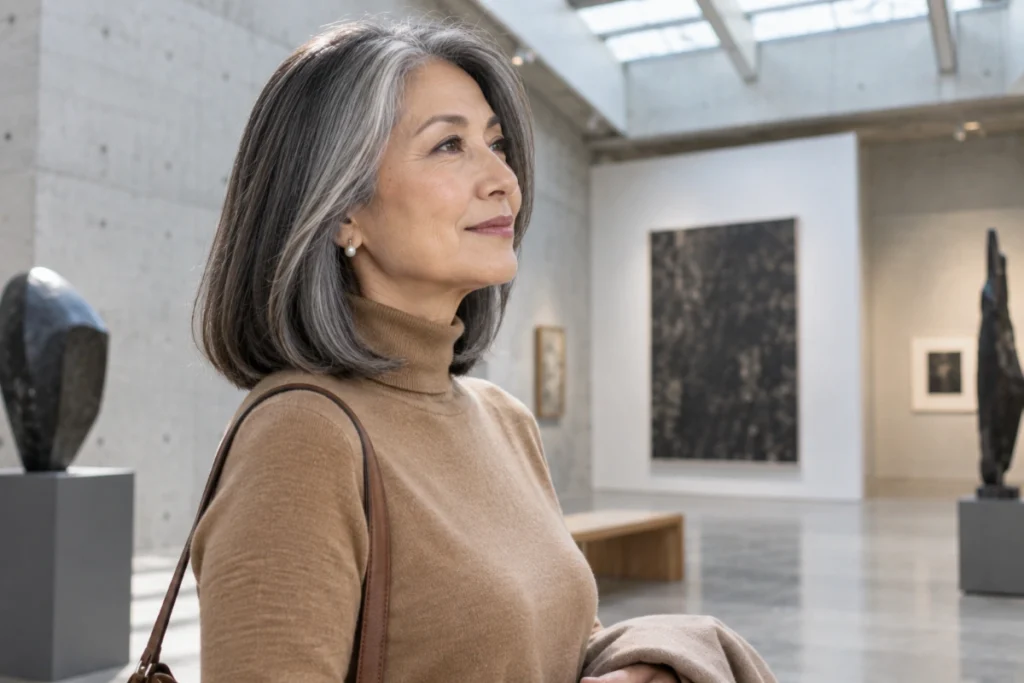
Straight hair can look elegant at shoulder length when the perimeter remains clean and the ends curve only slightly inward. This gentle bevel gives the haircut shape without depending on heavy layering or frequent curling.
The style works especially well for hair that naturally lies relatively smooth. A dense outer line keeps the ends looking substantial, while minimal internal movement prevents the cut from appearing stiff or overly structured.
For styling, dry the roots first and use a brush mainly around the ends to create a subtle bend. There is no need for an exaggerated rounded finish. The American Academy of Dermatology also advises limiting excessive heat and using low or medium heat settings when styling hair.
Soft Asymmetrical Clavicut for an Easy Modern Update
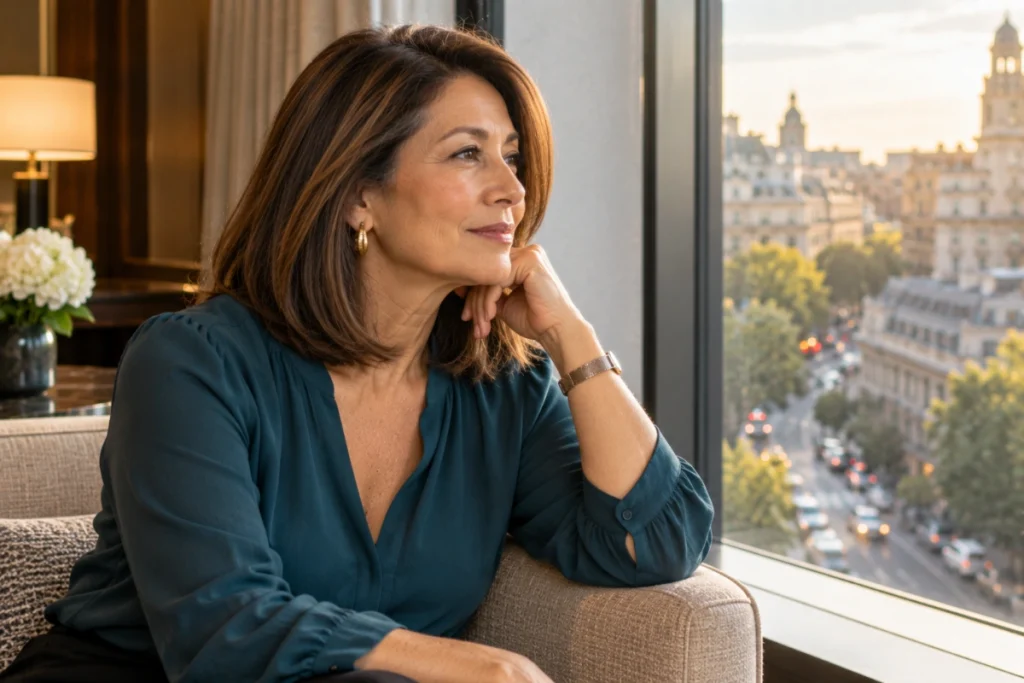
A small amount of asymmetry can make a familiar shoulder-length cut feel more contemporary without turning it into an extreme statement haircut. One front side can sit subtly longer than the other, especially when combined with a natural side part.
The difference should be noticeable enough to create movement but subtle enough that the hair still feels versatile. Chestnut, brunette and softly dimensional colors can highlight the shape particularly well because the changing lengths catch the light differently.
This cut suits people who want something more distinctive than a traditional lob but still need an easy everyday style. Avoid making the difference between sides too dramatic unless that is intentionally the look you want.
Collarbone Cut With Natural Silver Face Framing
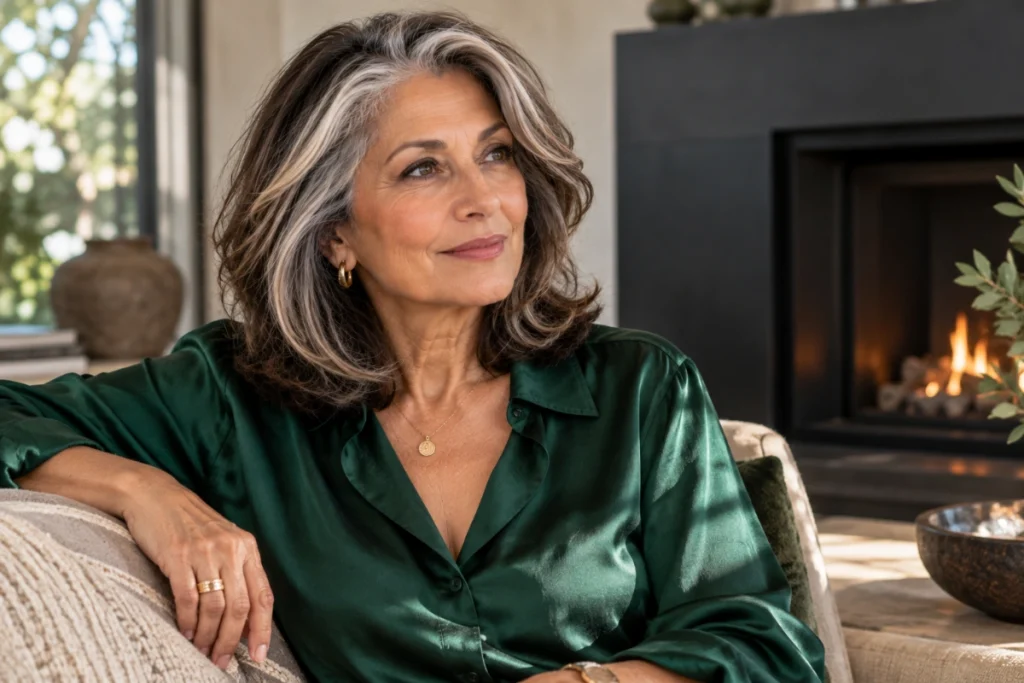
When silver strands appear most strongly around the temples and hairline, they can create natural face-framing contrast without any added highlights. A collarbone cut gives those brighter sections enough length to blend into the darker hair.
Keeping the layers soft allows the silver pattern to become the visual feature rather than competing with a complicated haircut. It can be particularly striking on brunette or dark brown hair because the natural contrast is easy to see.
A side part can showcase one silver section more strongly, while a center part creates a more balanced effect. Avoid automatically covering the brighter strands if you enjoy the contrast—they can function much like naturally placed highlights.
Humidity-Friendly Textured Collarbone Cut
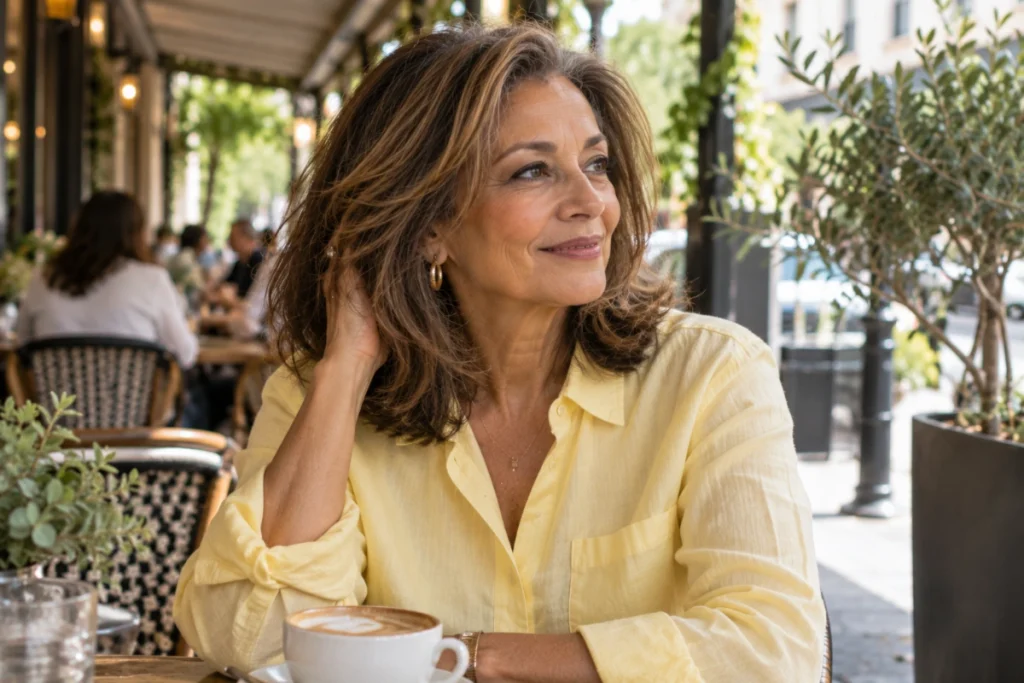
Trying to maintain a perfectly smooth blowout in humid weather can turn an easy haircut into constant maintenance. A textured collarbone cut works better when it accepts a little natural bend, movement and frizz instead of fighting all of it.
Long layers help the hair move without creating a heavily feathered appearance. This is particularly useful for hair that becomes slightly wavy or expands when moisture levels rise.
Use a lightweight anti-frizz product where needed, but do not overload the hair trying to eliminate every flyaway. A haircut that still looks intentional with a little natural texture is often easier to maintain than one that depends on perfectly smooth strands from morning to evening.
Minimal-Styling Shoulder Cut With Long Front Pieces

A nearly one-length shoulder cut with longer face-framing pieces is one of the simplest options for someone who wants flexibility without complicated daily styling. The back remains relatively solid while the front gradually shortens around the cheek or jaw.
This gives the hair movement when worn down without requiring multiple short layers. The longer front pieces can also be tucked behind the ears, swept back or incorporated into a ponytail.
Straight, wavy and softly textured hair can all work with this shape. A light breeze or natural movement often improves the look rather than ruining it. Keep the perimeter healthy with regular trims and avoid adding unnecessary layers if simplicity is the main goal.
FAQ
What shoulder-length haircut is best for fine hair?
A cut with a relatively dense perimeter and minimal layering can help fine hair appear fuller. Subtle internal movement can prevent the style from feeling too heavy without sacrificing visible density through the ends.
Are shoulder-length hairstyles for older women easy to maintain?
Many shoulder-length hairstyles for older women can be relatively easy to maintain because they provide enough length for ponytails, waves and face framing without requiring the upkeep of much longer hair. Maintenance still depends on your texture, density, layers and styling routine.
Should older women avoid layers?
No. Layers should be chosen according to the hair rather than age. Fine hair may benefit from fewer layers, while thick, wavy or curly hair can sometimes benefit from strategic layering that controls weight and improves movement.
Can shoulder-length hair make thin hair look thicker?
A strong perimeter can make the ends appear denser and give fine or thin hair a fuller visual outline. Excessive thinning or too many short layers can have the opposite effect, so careful placement matters.
What shoulder-length style works well when growing out gray hair?
A simple clavicut or long bob can maintain a clean shape while natural silver grows through. Depending on the existing color, professional gray blending may also help soften the contrast between previously colored lengths and new growth.
Are bangs necessary for mature shoulder-length hair?
No. Longer face-framing pieces can soften the haircut without requiring the maintenance of a full fringe. They are also easier to tuck behind the ears or incorporate into ponytails and other everyday styles.
What shoulder-length haircut works well with glasses?
Long face-framing pieces that sweep away from the temples can work well with glasses because they reduce the amount of hair falling directly across the frames. The exact length should also take into account where the glasses arms sit.
How often should shoulder-length hair be trimmed?
There is no single schedule that suits everyone. Hair growth rate, texture and the precision of the haircut all affect when a trim becomes useful. A blunt perimeter may show growth sooner than a deliberately textured style.
Final Thoughts
The most practical shoulder-length hairstyles for older women work with the hair you actually have rather than depending on a professional blowout every morning.
Fine hair can benefit from a stronger perimeter, thick hair can gain movement from hidden layers, and curls or waves often look better when the haircut works with their natural pattern. Silver and gray growth can also become part of the design instead of something that automatically needs to be concealed.
When choosing between shoulder-length hairstyles for older women, save two or three examples that genuinely match your texture and lifestyle. Show your stylist the shape you like, but also explain whether you normally air-dry, use heat, wear glasses or need to tie your hair back. Those everyday details can make the difference between a haircut that photographs beautifully and one that actually works for you.