

Finding the right short hair styles can completely change how easy your hair feels to manage. A well-chosen short haircut can create shape, highlight facial features, add the appearance of volume and reduce the amount of time you spend styling every morning.
The best short haircut is not necessarily the trendiest one. Hair texture, density, face shape and the amount of maintenance you are comfortable with all matter. Fine hair may benefit from a stronger perimeter, while thick hair often needs carefully placed layers to control weight. Naturally curly and wavy hair usually looks best when the cut works with its existing movement instead of fighting against it.
From feminine pixies and chic bobs to textured crops and polished straight cuts, these short hair styles for women offer plenty of inspiration for your next salon visit.
Soft Layered Bob With Face-Framing Pieces
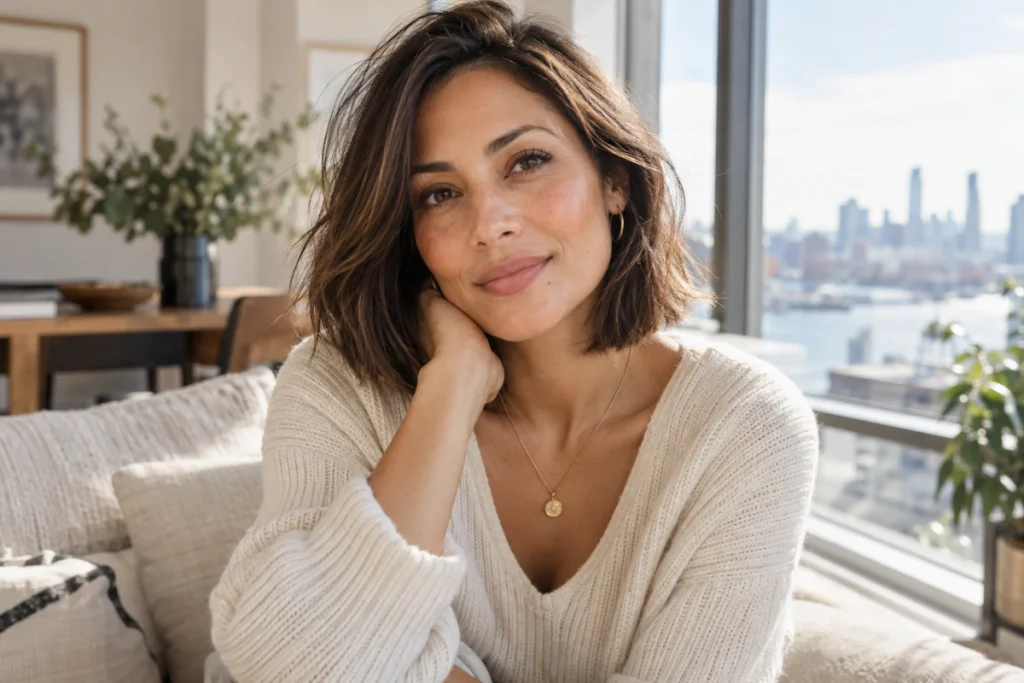
A soft layered bob is one of the easiest ways to move into shorter hair without making a dramatic change. The length remains around the jaw or upper neck, while subtle layers create movement through the sides and ends.
Longer face-framing pieces can soften the cheekbones and jawline without requiring a full fringe. This also gives you flexibility because the front sections can be worn forward, swept to one side or tucked behind the ears.
For a modern finish, keep the layering blended rather than overly feathered. The goal is movement without making the ends look thin.
Chin-Length French Bob
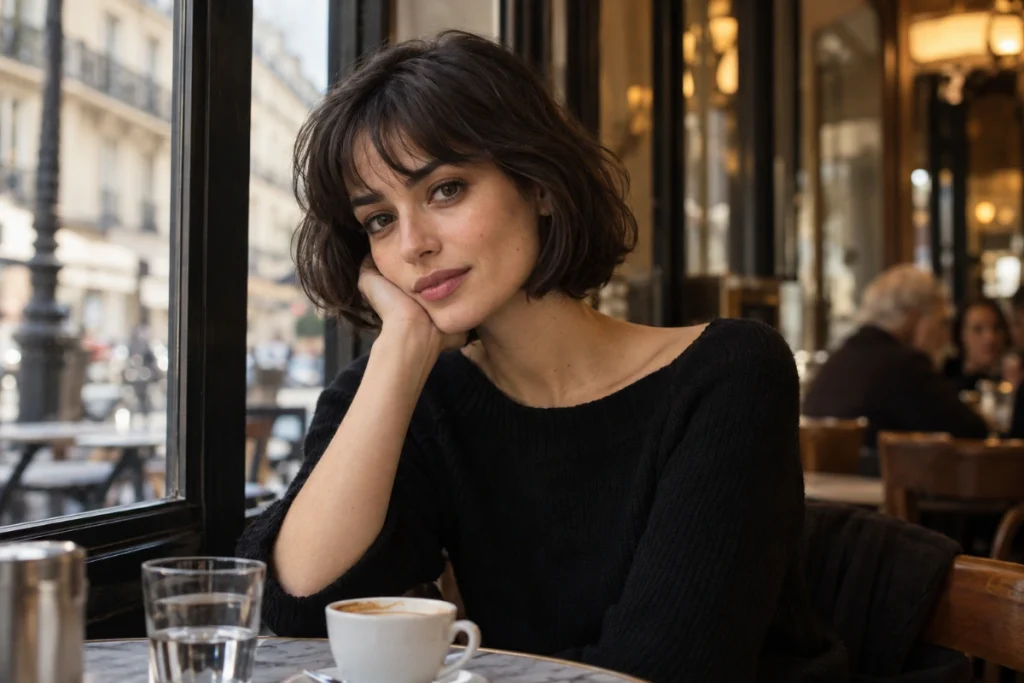
The French bob combines a compact shape with a soft, effortless finish. It usually sits close to the chin and can be worn with a light fringe or a more open forehead.
This style works especially well on straight or slightly wavy hair because natural movement keeps the short shape from looking too rigid. A softly textured perimeter can also make the haircut feel more relaxed.
Among classic short hair styles, the French bob remains a strong choice for anyone who wants something elegant but still easy to wear.
Feminine Long Pixie Cut
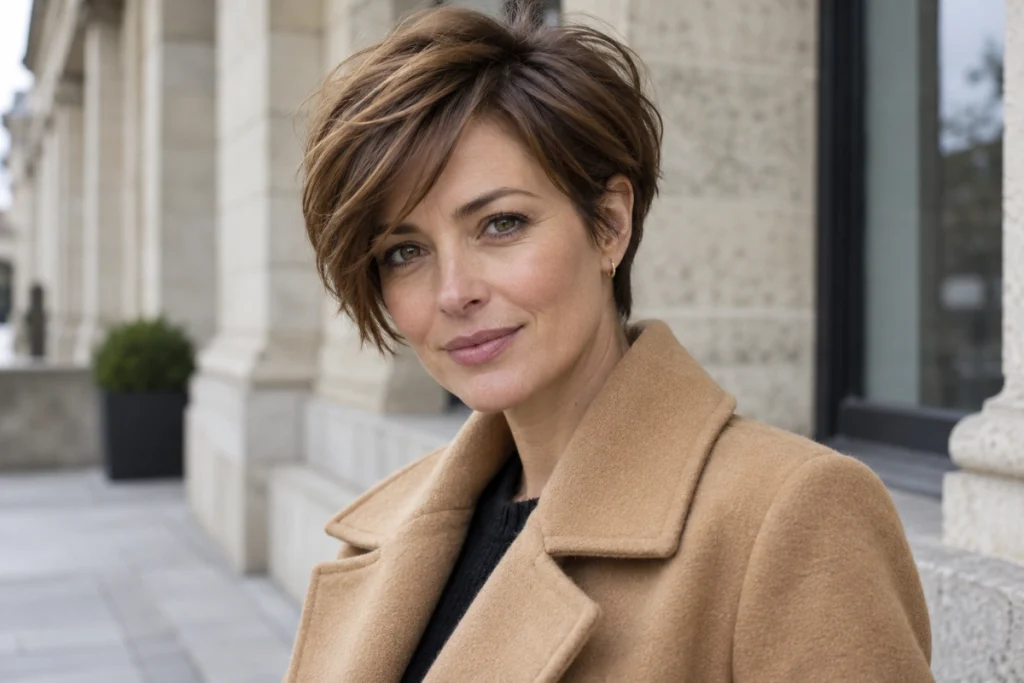
A long pixie offers the convenience of a short haircut while preserving enough length through the crown and front for softness.
The extra length allows you to sweep the fringe across the forehead, create gentle volume or tuck sections away from the face. This makes it more versatile than an extremely cropped pixie.
If you are nervous about cutting your hair very short, a long pixie can be an excellent transition between a bob and a shorter crop.
Sleek Short Bob With a Center Part
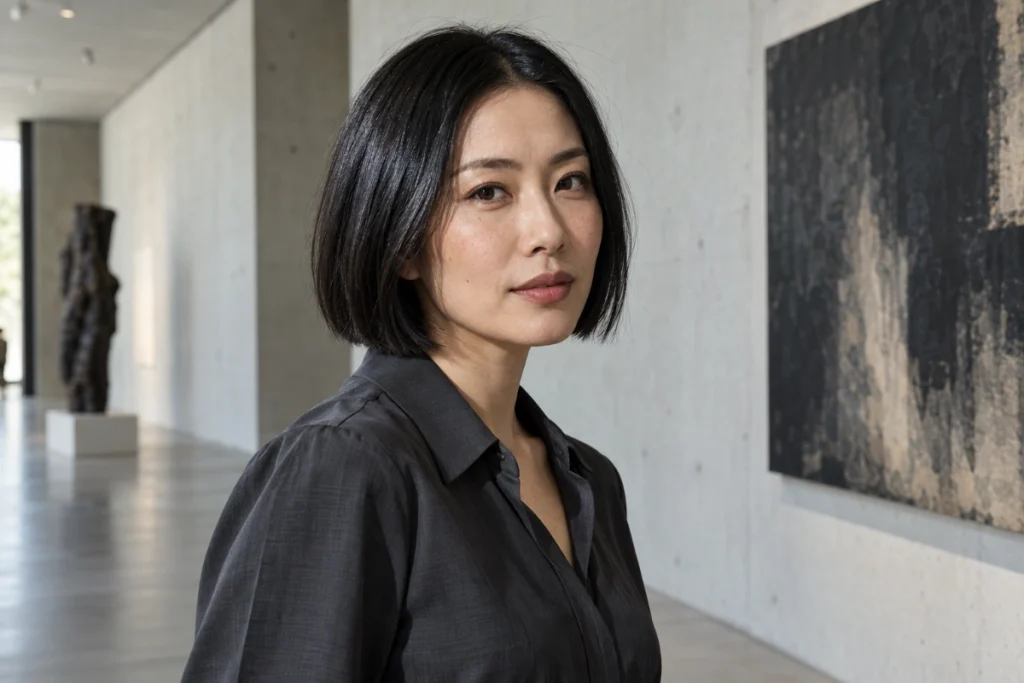
A center-parted bob creates a clean and polished silhouette, particularly on naturally straight hair.
The symmetry emphasizes the shape of the haircut, while a jaw-length perimeter can make fine or medium-density hair appear fuller. Keeping the ends smooth and relatively blunt gives the style a more contemporary appearance.
This is one of the simplest short straight hairstyles for women whose hair naturally dries smooth.
Textured Pixie With Side-Swept Fringe

Adding texture through the top can make a pixie feel softer and more relaxed. A longer side-swept fringe also gives the haircut a feminine element while creating movement around the forehead.
Instead of making the crown spiky, ask for light separation and soft texture. This produces volume without making the style feel overly structured.
A small amount of lightweight styling cream or paste is usually enough to define individual sections.
Short Wavy Bob With Natural Texture
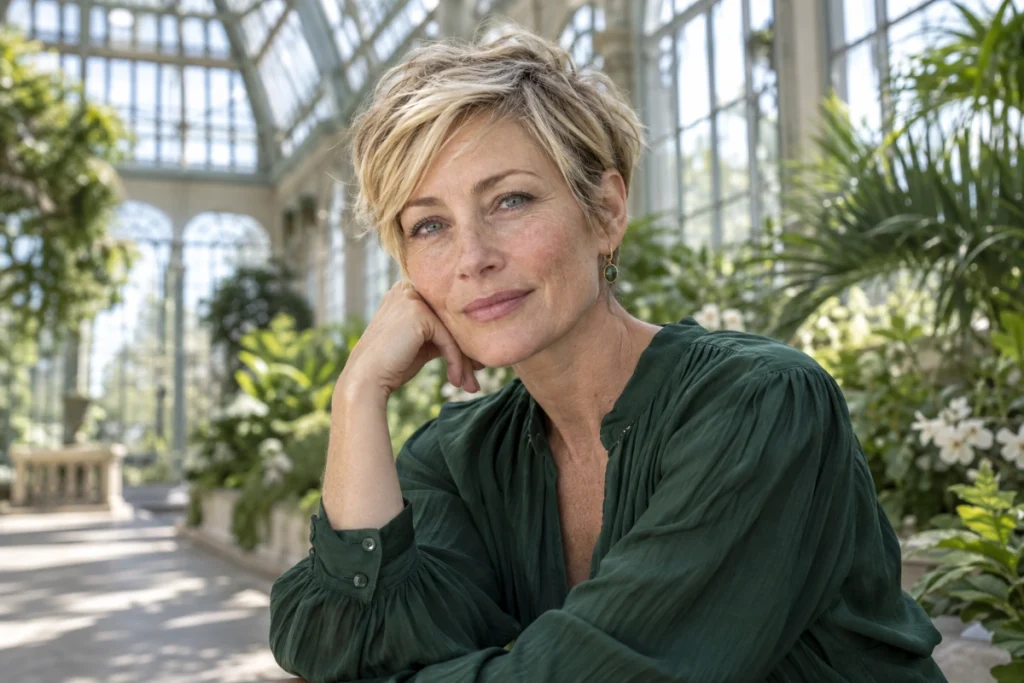
Natural waves can make a short bob look effortlessly stylish. The key is allowing the waves to remain slightly irregular instead of trying to create perfectly identical curls.
A little natural frizz can also enhance the texture and prevent the haircut from looking overly polished.
If your hair already has movement, this can be one of the easiest hairstyles for short hair because much of the styling comes from the natural texture itself.
Rounded Short Bob for Thick Hair
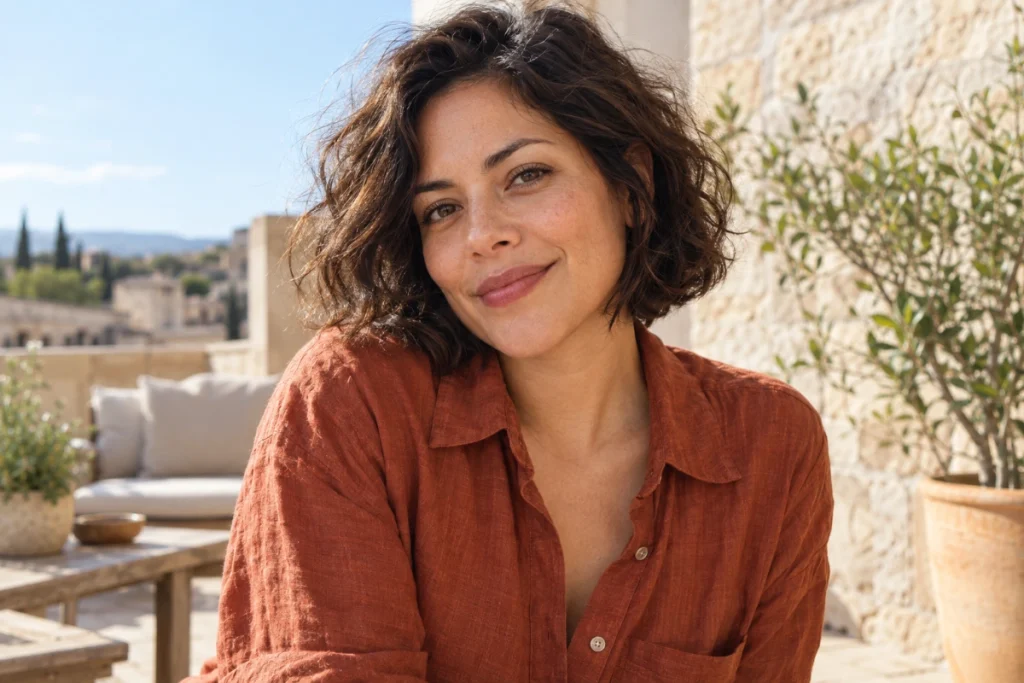
Thick hair can become bulky when cut too short without enough internal shaping. A rounded bob solves this by preserving a full perimeter while strategically removing some weight inside the haircut.
The exterior should remain smooth and substantial rather than heavily layered.
This approach allows thick hair to retain its healthy appearance while preventing the shape from becoming excessively wide around the sides.
Soft Pixie With Tapered Sides
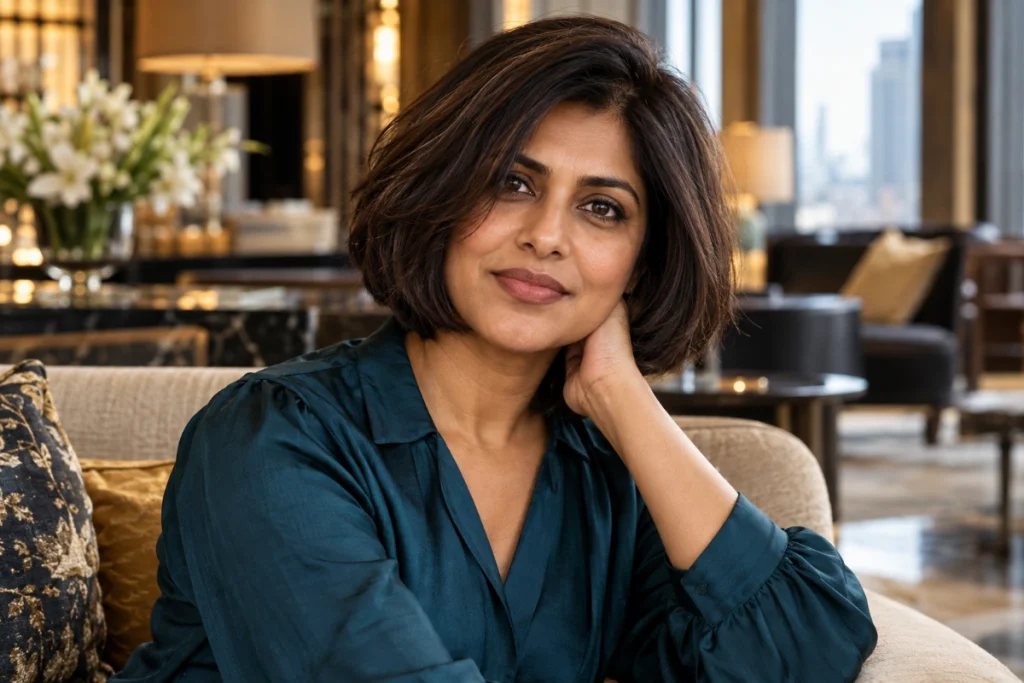
A softly tapered pixie creates a neat outline around the ears and neckline while maintaining more movement through the top.
The contrast between the shorter sides and softer crown helps define the shape without making the cut appear severe.
This is a practical option for anyone who wants a genuinely short style but still prefers a feminine, wearable finish.
Short Layered Cut With Feathered Ends
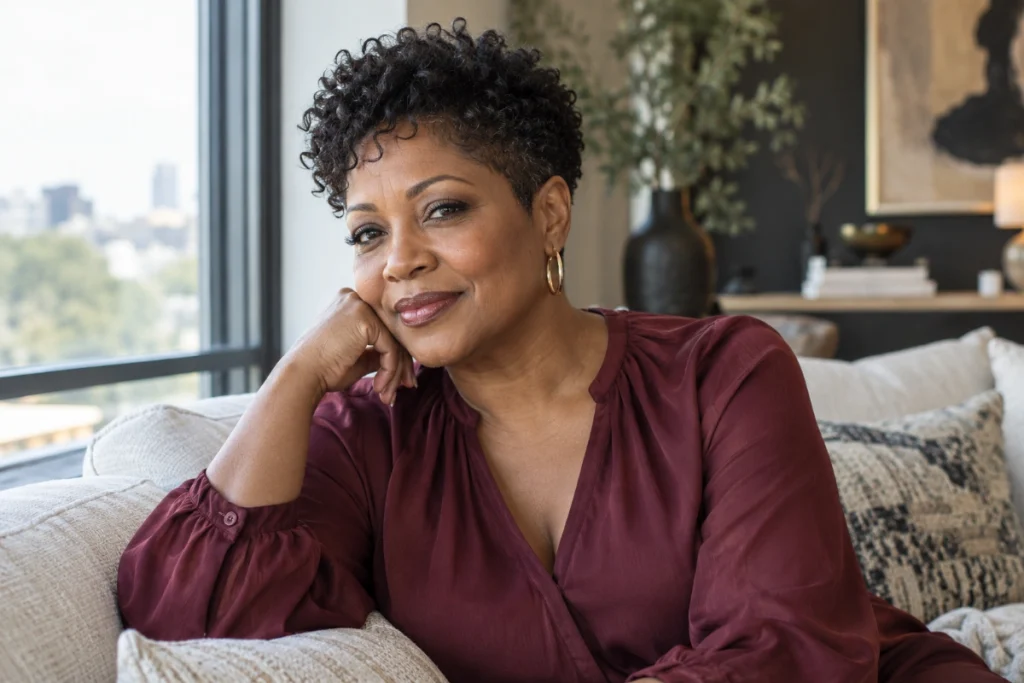
Light feathering through the ends can create movement without dramatically reducing the overall density of the hair.
Modern feathering should look soft and blended rather than heavily styled. The layers should flow naturally into one another and move when the head turns.
This type of short haircut works particularly well for straight or slightly wavy medium-density hair.
Blunt Jaw-Length Bob

A blunt bob can make the bottom of the hair appear noticeably thicker because very little weight is removed from the perimeter.
The jaw-length shape also provides a strong, modern silhouette. Fine and medium-density hair often respond particularly well to this approach.
To prevent the haircut from feeling too rigid, allow a small amount of natural movement rather than trying to make every strand perfectly straight.
Short Shag With Wispy Bangs
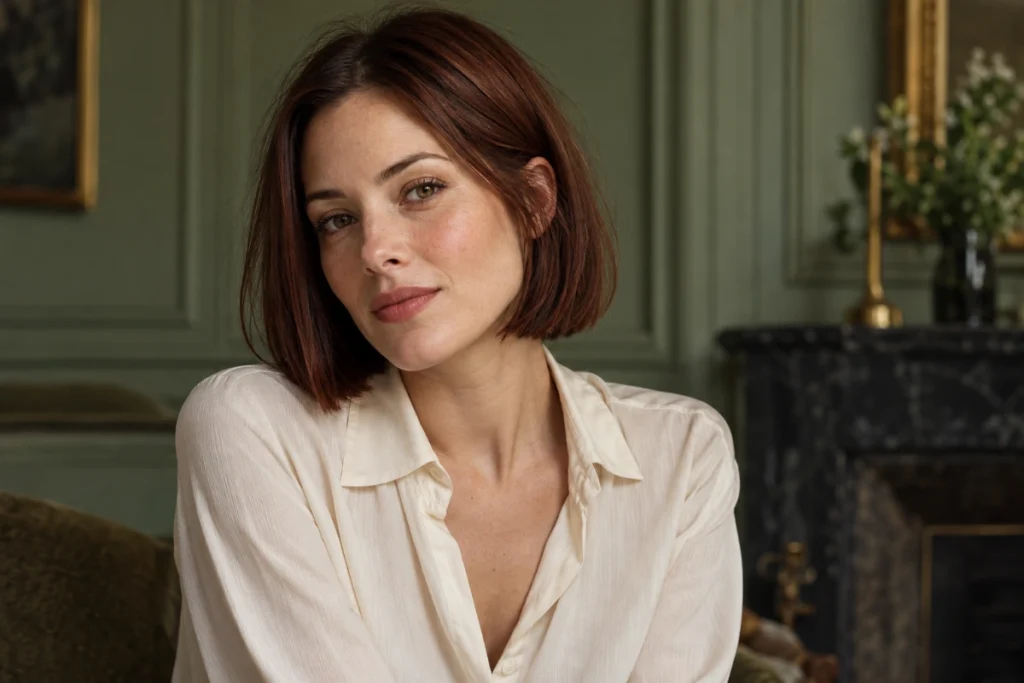
A short shag creates more movement than a traditional bob by introducing layering through the crown, sides and ends.
Wispy bangs complement the textured shape without covering the forehead too heavily. The overall effect should feel soft and slightly undone rather than sharply separated into obvious layers.
For women searching for relaxed short hair ideas, this cut offers plenty of personality without requiring a highly polished finish.
Short Curly Bob With a Rounded Shape
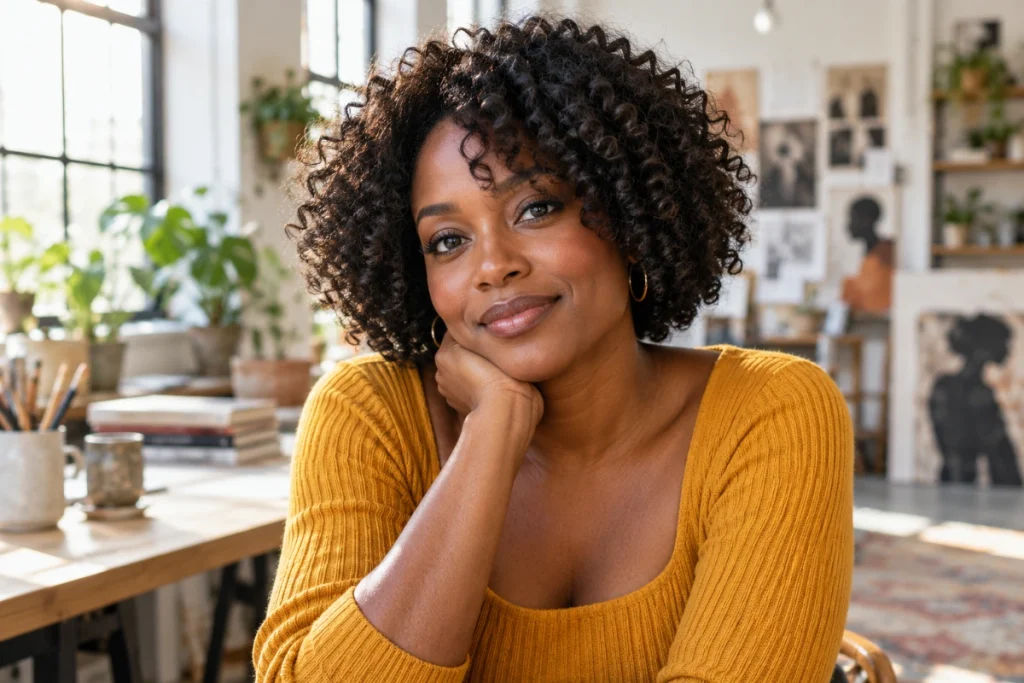
Naturally curly hair can look beautiful at a shorter bob length when the shape is properly balanced.
Rather than cutting every curl to the same length, subtle layering allows different curl groups to sit naturally. Maintaining some weight around the lower section can keep the style from becoming overly round or wide.
A good curly haircut should also consider shrinkage before deciding the final length.
Side-Parted Short Straight Bob
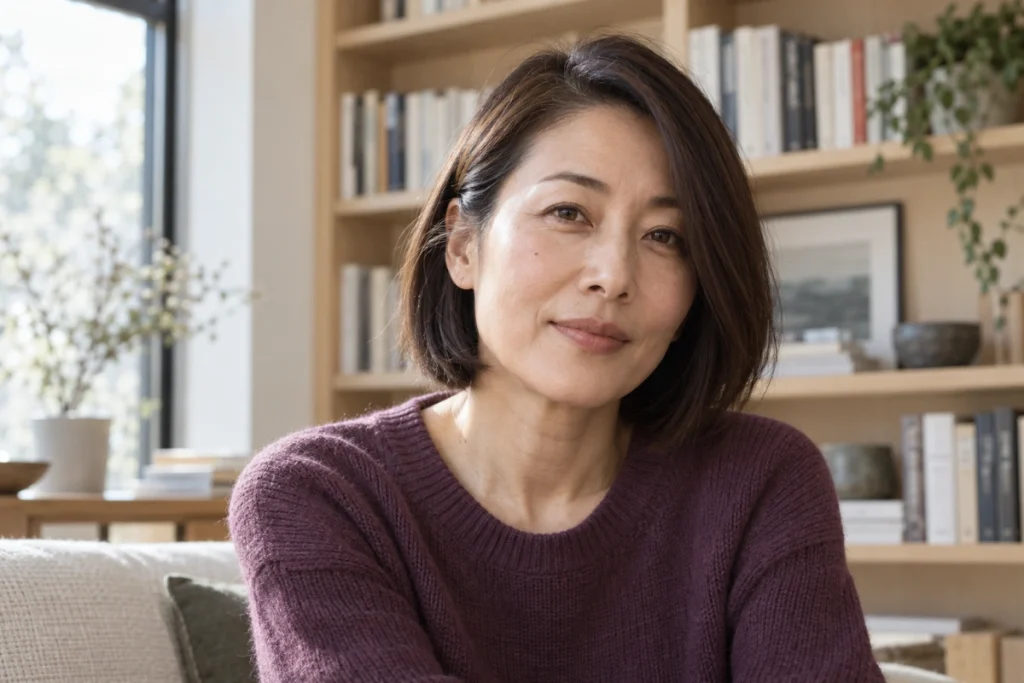
Changing the part can completely alter the appearance of a simple bob.
A deeper side part gives the front section more lift and creates an elegant sweeping movement across the forehead. It can also make naturally straight hair look less flat.
This is an easy way to update short hair hairstyles without adding lots of layers or changing the overall length.
Short Bob With Curtain Bangs
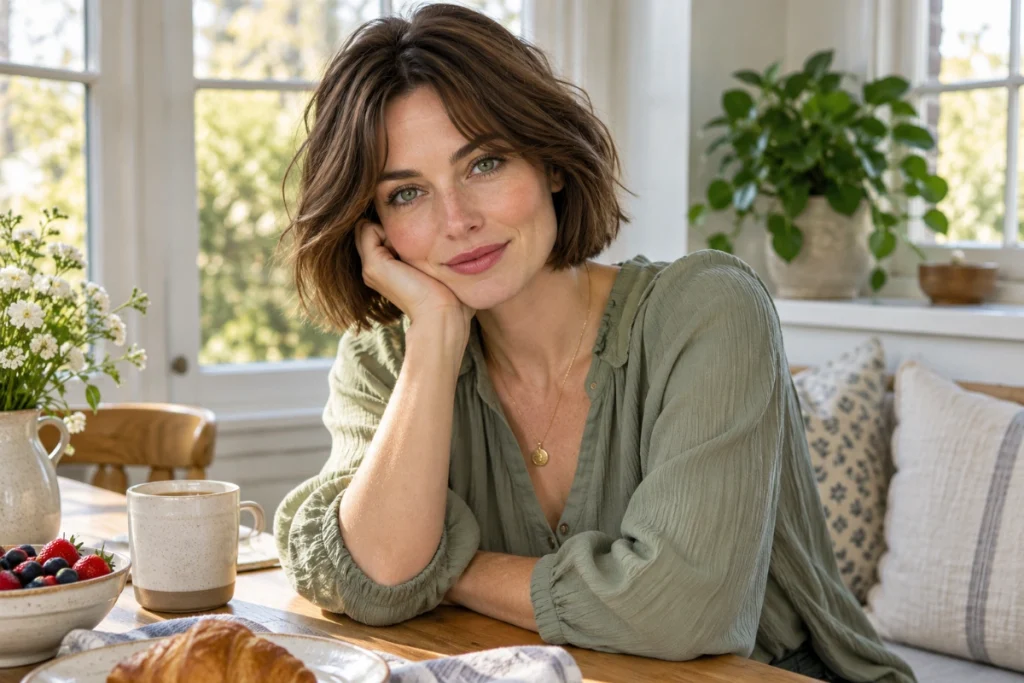
Curtain bangs add softness around the face while remaining easier to grow out than a short, blunt fringe.
The center opening keeps the face visible, while the longer sides blend naturally into the bob. They can also be tucked back or swept to the side as they grow.
This combination works especially well if you want a short haircut that feels feminine but not overly styled.
Piecey Pixie for Fine Hair
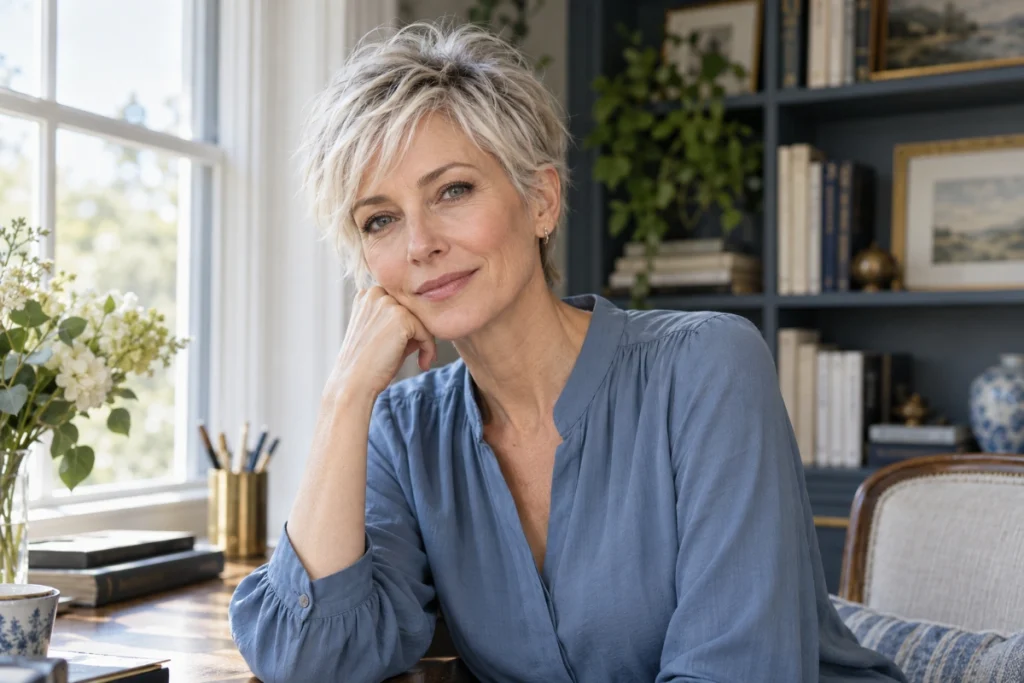
Fine hair often gains natural lift when some of its length and weight are removed.
A piecey pixie uses subtle separation through the crown to create the appearance of texture and volume. The key is keeping enough density so the scalp does not become unnecessarily exposed.
Avoid heavy waxes or oils. Lightweight styling products are usually better for fine short hair because they add definition without flattening the roots.
Short Bob With Soft Flipped Ends
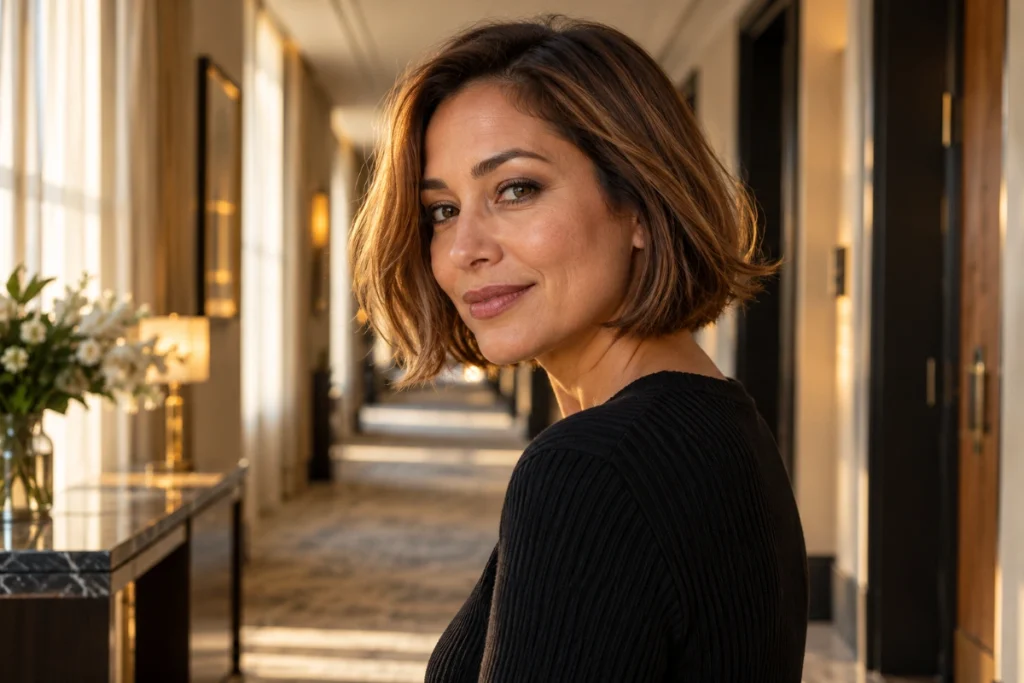
A gentle outward bend at the ends can add personality to an otherwise simple bob.
The modern version is much softer than the dramatic flipped hairstyles of previous decades. Only a slight movement through the perimeter is needed.
This can be achieved with a round brush or a quick pass with a styling tool, making it an easy way to change your everyday look.
Asymmetrical Short Bob

An asymmetrical bob introduces visual interest by keeping one side or front section slightly longer than the other.
The difference does not need to be dramatic. Even a subtle variation can make the haircut look more contemporary.
A sleek finish highlights the asymmetry, while a slightly textured finish can make the difference between the two sides feel softer.
Short Natural Curls With a Tapered Neckline
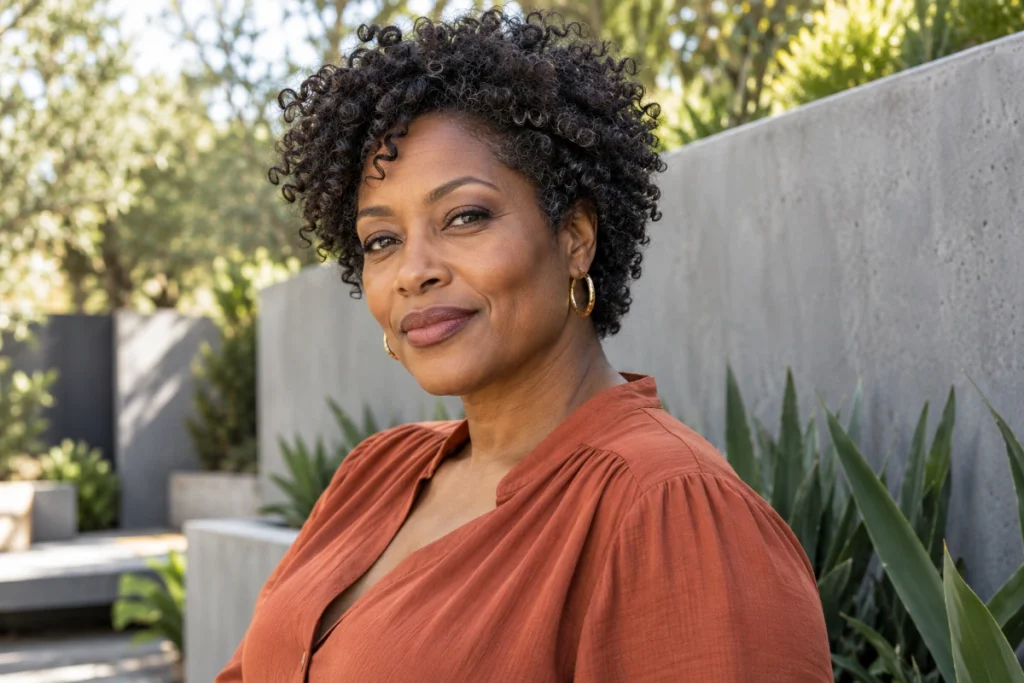
A tapered neckline can create definition while allowing natural curls to remain fuller through the crown.
This shape keeps the perimeter controlled without flattening the texture that gives the haircut its personality.
It is especially effective for tightly curled or coily hair because the top can retain softness and volume while the lower sections remain clean and manageable.
Soft Short Crop With a Longer Fringe
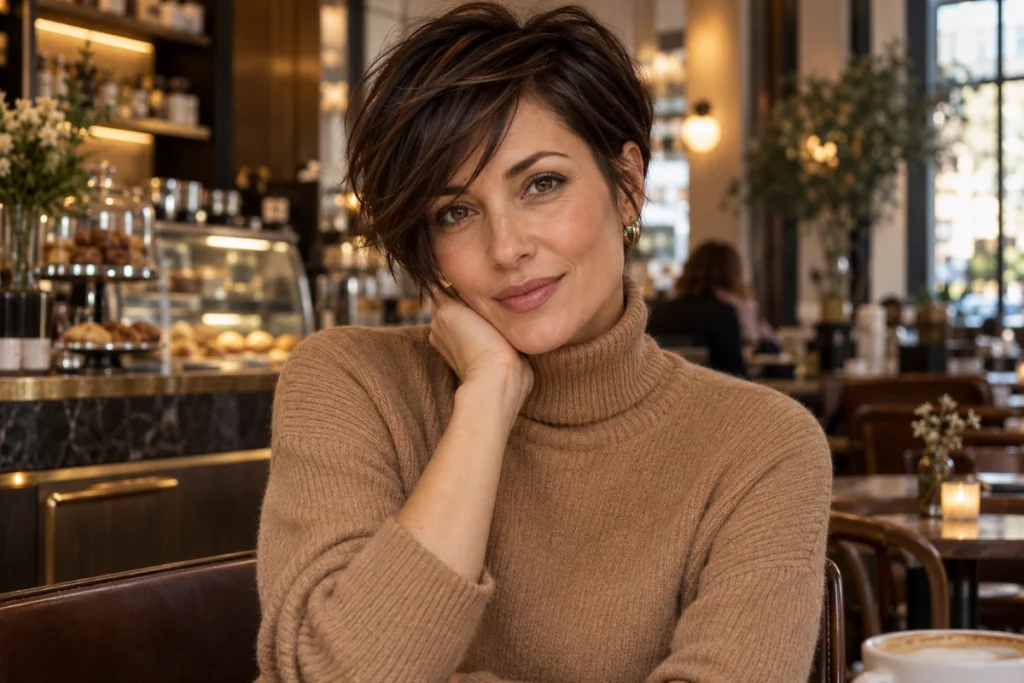
A short crop becomes noticeably softer when the front is kept longer.
The fringe can fall naturally across the forehead or be swept to one side, while the back and sides remain relatively neat. This creates an attractive contrast between structure and movement.
For anyone exploring feminine short hair, this is a useful option because it provides the convenience of a crop without removing all softness around the face.
Short Bob for Fine Straight Hair
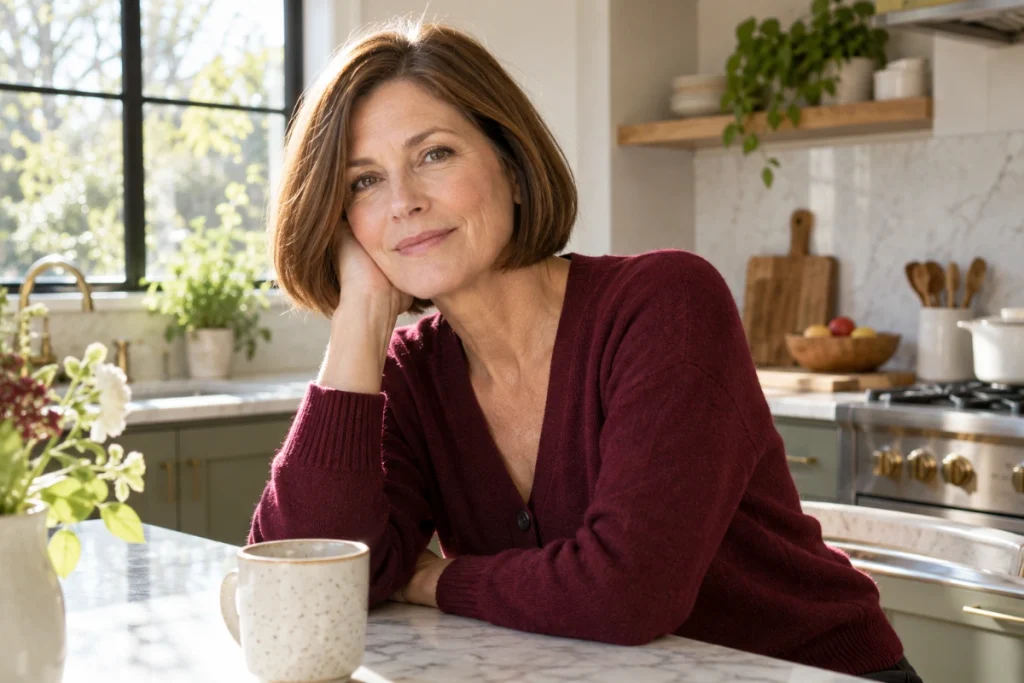
Fine straight hair often looks best when the perimeter remains strong.
Too many short layers can make the ends appear thinner, so this type of bob relies on minimal internal layering and a clean lower edge.
A lightweight volumizing mousse or root spray can add lift, while heavy oils should usually be concentrated only on the ends if needed.
Tousled Short Bob With Soft Waves

A tousled bob gives short hair an easy, relaxed appearance.
Instead of uniform curls, use soft waves that move in slightly different directions. This creates more natural-looking texture and prevents the style from becoming overly formal.
For naturally wavy hair, the haircut may require little more than a lightweight styling cream and air-drying.
Polished Short Bob With a Side Tuck
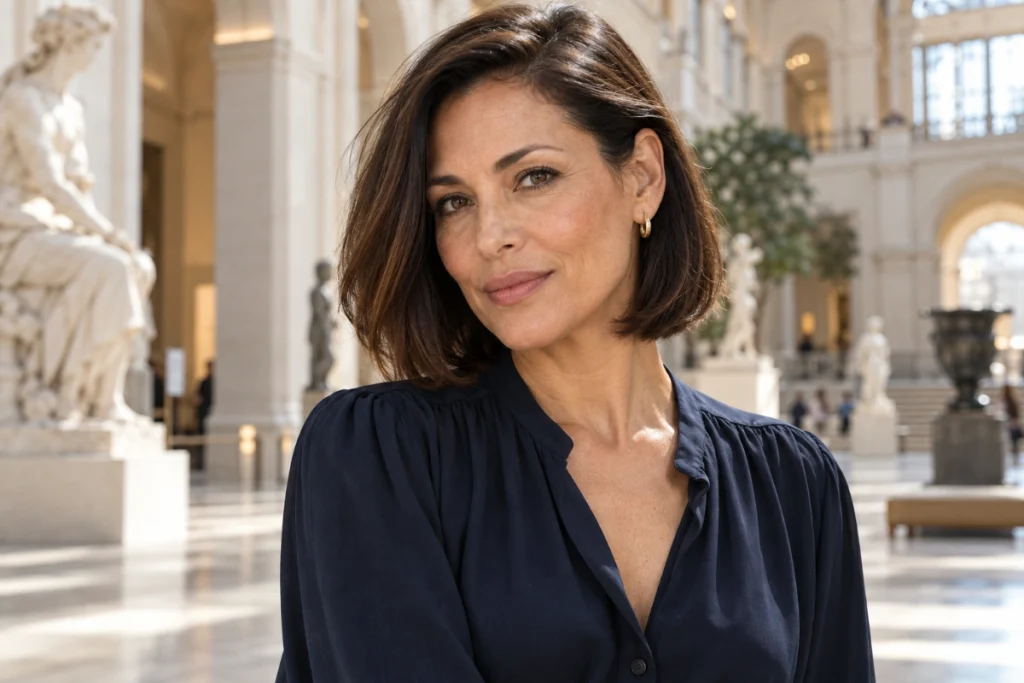
One of the simplest ways to change a bob is to tuck one side behind the ear.
This opens the face, highlights the cheekbones and creates a slightly asymmetrical appearance without changing the actual haircut.
It works particularly well with smooth straight hair or softly controlled waves and can take a basic bob from casual to polished in seconds.
Short Silver Pixie With Soft Volume
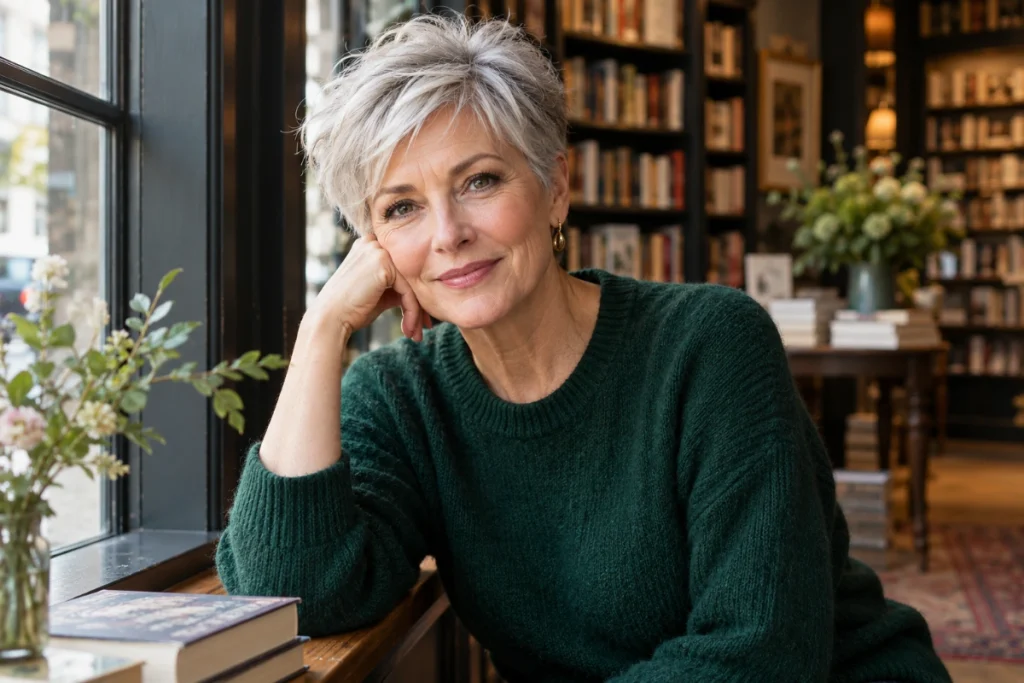
Natural silver hair can make the texture of a pixie especially noticeable because different shades become visible throughout the layers.
Keeping some length through the crown allows the hair to maintain softness and volume rather than appearing too flat.
A silver pixie also works beautifully with natural texture, so there is no need to make every strand perfectly smooth.
Short Straight Lob With Clean Ends
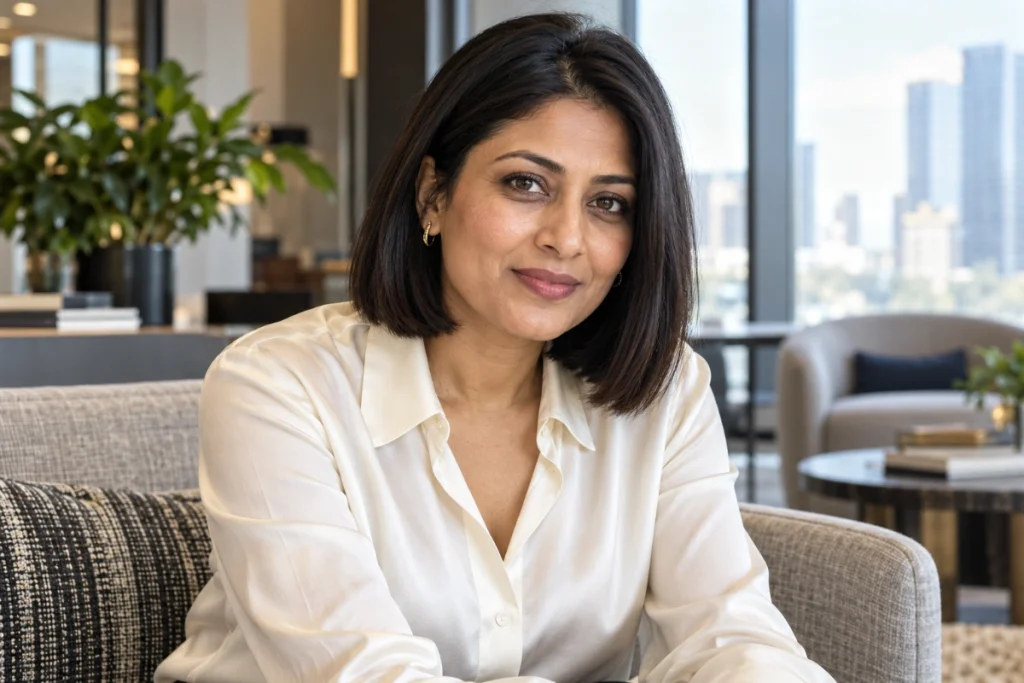
If a chin-length bob feels too short, a compact lob offers a little more length while still delivering many of the benefits of shorter hair.
A clean perimeter can make straight hair look fuller, while minimal layering maintains a polished shape.
It is also versatile enough to tuck behind the ears, wear with different parts or add gentle waves for a completely different look.
Low-Maintenance Short Layered Bob
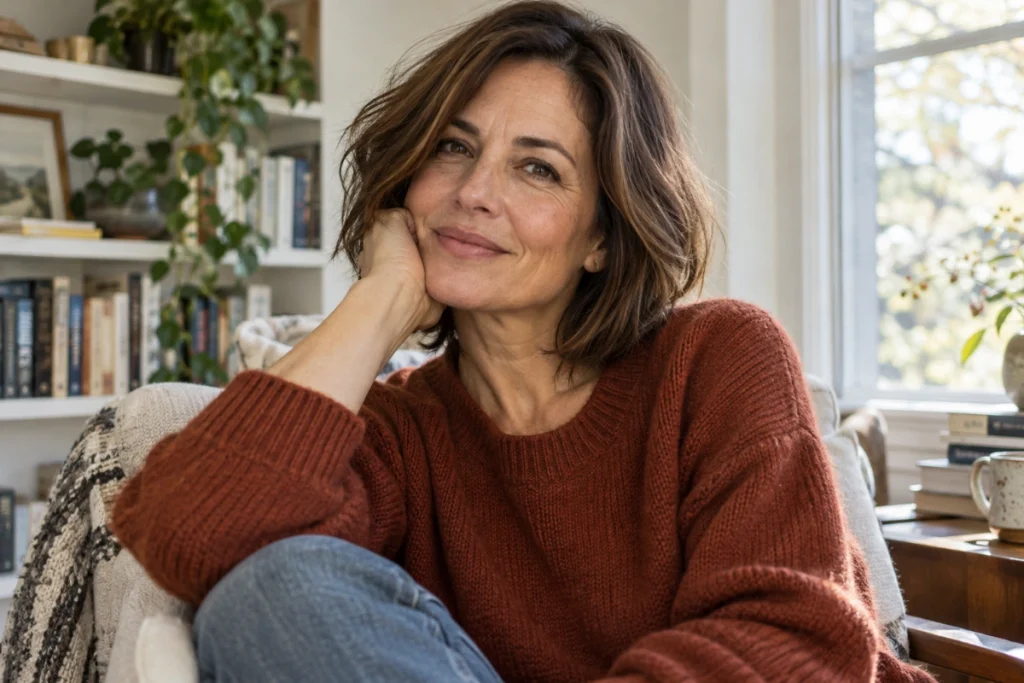
A low-maintenance layered bob is designed to retain its shape even when it is not perfectly styled.
Longer, blended layers give the hair enough movement without creating dramatic differences in length. This also helps the haircut grow out more gracefully between appointments.
If you are searching for short hair styles easy enough for everyday life, this type of bob is one of the most practical places to start.
Which Short Hair Styles Are Best for Your Hair Type?
Choosing between different short hair styles should begin with your natural texture rather than a photo alone.
Fine hair often looks fuller with blunt or lightly layered shapes. Thick hair may need internal layering to control bulk without sacrificing the strong perimeter. Straight hair responds well to precise bobs and sleek lobs, while wavy and curly textures benefit from cuts that allow their natural movement to remain visible.
Your daily routine matters too. A haircut that requires straightening every morning may not truly be low maintenance if your hair naturally curls.
Are Short Haircuts Good for Fine Hair?
Short hair can be an excellent option for fine hair because removing excess length can reduce weight and allow the roots to lift more easily.
However, aggressive layering is not always helpful. Keeping more density through the bottom can create the illusion of thicker hair.
Blunt bobs, softly layered bobs and longer pixies are all useful short haircut ideas for fine hair when the shape is customized correctly.
How to Make Short Hair Look Feminine
Femininity does not depend on hair length.
A short haircut can feel soft through the use of wispy fringes, longer front sections, gentle waves, face-framing layers or subtle crown movement. Even very short pixies can look elegant when the outline and texture complement the face.
If you are hesitant about a major transformation, start with a short bob or long pixie before gradually moving to a shorter crop.
What Are the Easiest Short Hair Styles to Maintain?
The easiest haircut is usually one that works with your natural texture.
Naturally straight hair may be easy to maintain in a blunt bob, while naturally wavy hair can work beautifully with a textured bob or short shag. Curly hair often benefits from a shape specifically designed around the curl pattern.
Low-maintenance short hair cuts should still look good when air-dried or minimally styled rather than depending on a perfect salon blowout.
For healthier styling habits, you can also follow these healthy hair care tips from the American Academy of Dermatology.
How Often Should Short Hair Be Trimmed?
Shorter hairstyles usually show changes in shape sooner than longer hair because even a small amount of growth can affect the outline.
Very short pixies may need more frequent maintenance, while bobs and longer layered cuts can often grow for longer before losing their structure.
If fewer salon appointments are important to you, choose longer layers and softer perimeters that grow out gradually.
Frequently Asked Questions About Short Hair Styles
What short hairstyles make hair look thicker?
Blunt bobs, fuller-ended layered bobs and piecey pixies can make fine hair appear denser. Keeping too many layers away from the lower perimeter usually helps preserve fullness.
What is the easiest short haircut to style?
A bob or long pixie that works with your natural hair texture is usually easiest. Straight hair may suit a clean bob, while wavy hair can require less effort in a textured or layered shape.
Can short hair still look feminine?
Absolutely. Soft fringes, face-framing pieces, waves and longer crown layers can all add softness to short hairstyles.
What short haircut is best for straight hair?
Jaw-length bobs, short lobs, asymmetrical bobs and long pixies are strong choices for straight hair because they take advantage of its naturally smooth texture.
Are short hairstyles good for thick hair?
Yes. Thick hair can work very well in shorter styles when internal bulk is controlled while enough weight is preserved around the perimeter.
Final Thoughts
The best short hair styles are not simply the cuts receiving the most attention online. The right hairstyle should complement your natural texture, hair density, face shape and daily routine.
A sleek bob can create a polished finish, while a textured pixie offers softness and movement. Curly bobs can highlight natural texture, and layered cuts can help control thick hair or add shape to straighter styles.
Use these short hair styles for women as inspiration, but ask your stylist to adapt the length, fringe and layering specifically to your own hair. A personalized cut will usually be easier to maintain and more flattering than copying a hairstyle exactly.